

Unleashing the Spirit of Adventure
The Zlin Norden is meticulously engineered for the intrepid aviator, offering unmatched performance in the most rugged terrains. Designed with adventurers in mind, this aircraft combines robust construction with advanced aerodynamics, ensuring a seamless blend of reliability and excitement. Whether navigating remote airstrips or soaring over breathtaking landscapes, the Norden is your gateway to unparalleled freedom in the skies.
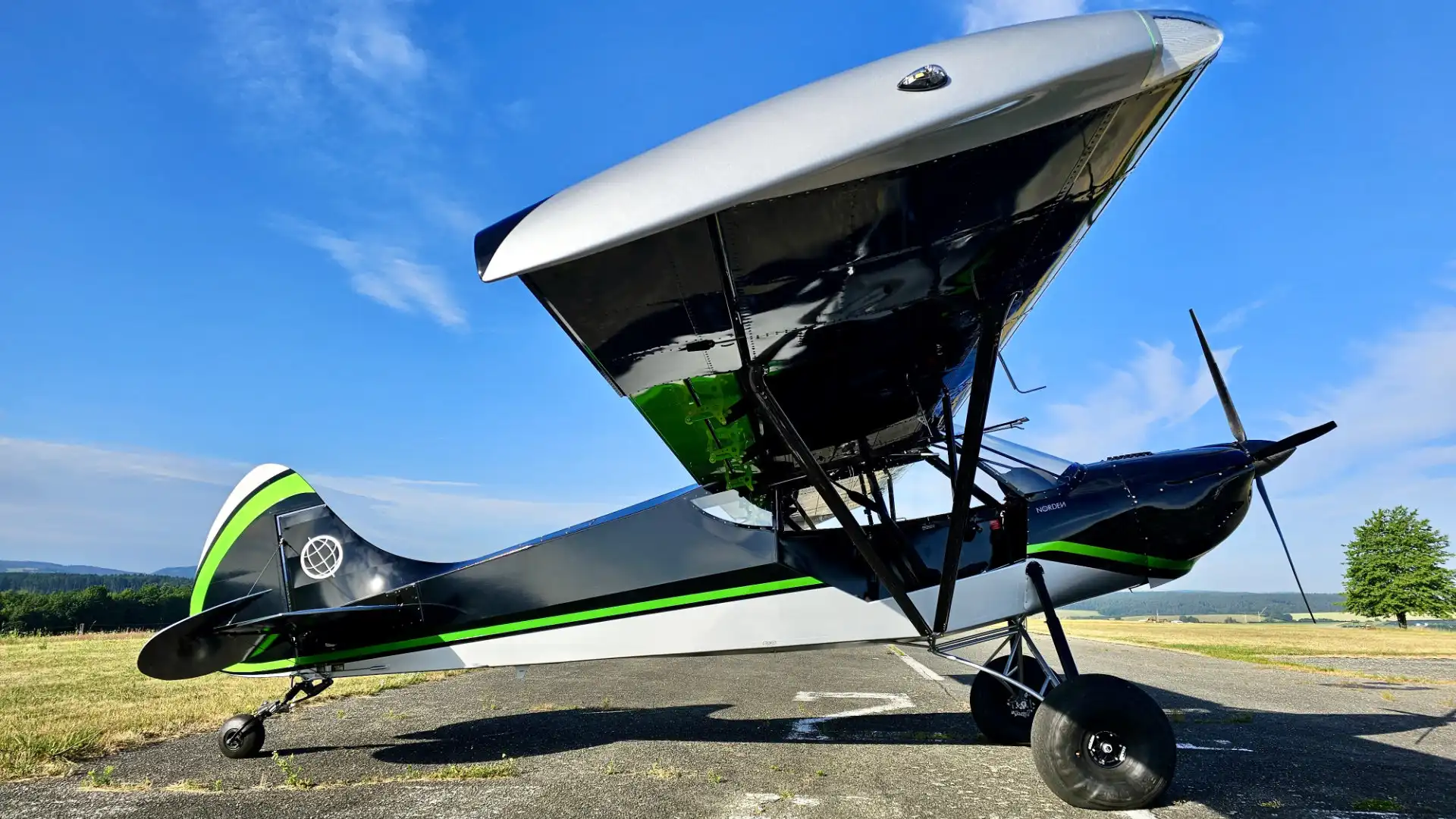
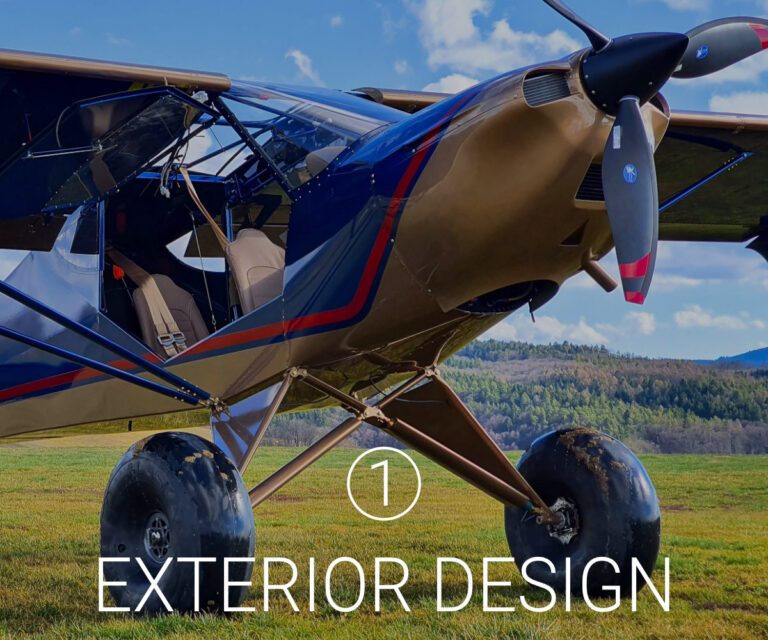
Norden Distinctive Elements
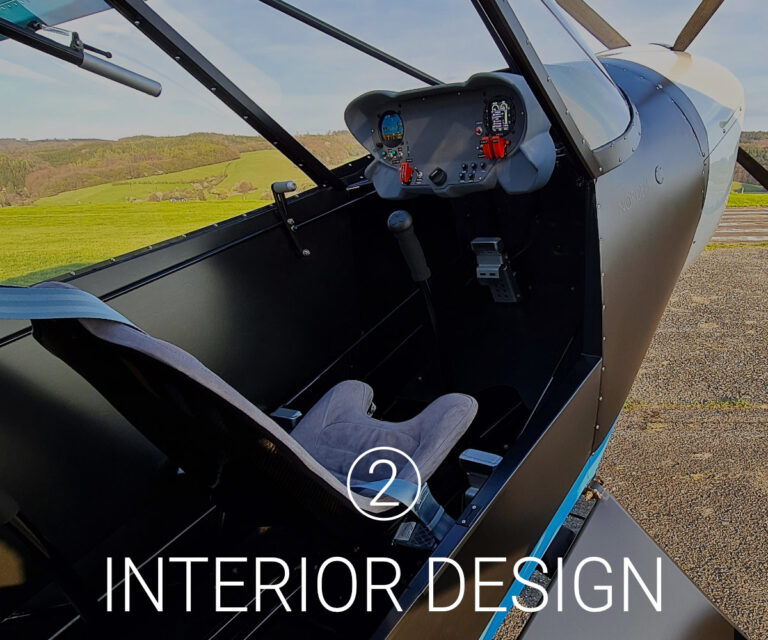
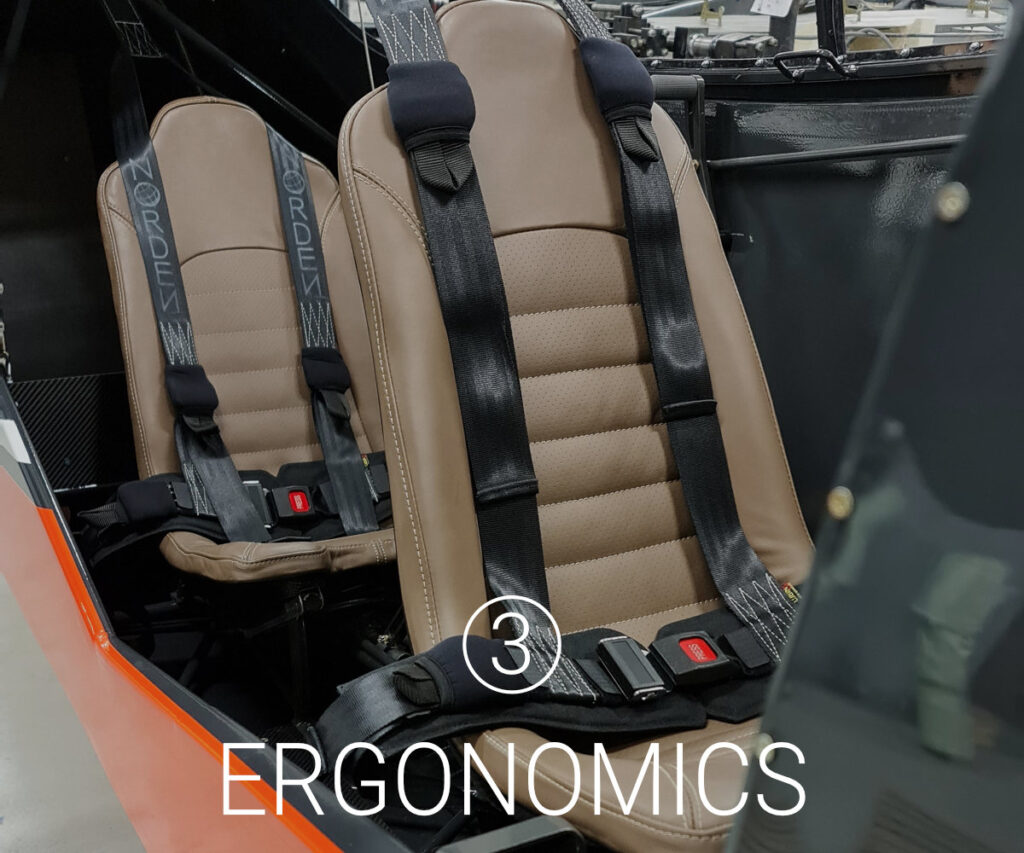
Zlin Norden Specifications
Engine
Rotax 915iS
141 HP
5800 RPM
Service Ceiling: 23,000 ft
Full Rated Power up to 15,000 ft
TBO: 1,200 hrs
Rotax 916iS
160 HP
5800 RPM
Service Ceiling: 23,000 ft
Full Rated Power up to 15,000 ft
TBO: 2,000 hrs
PROPELLER
4 blade
Ground Adjustable
E-Prop (carbon spinner/carbon blades w/ titanium leading edge)
80 in
3 blade
Constant Speed
E-Prop (carbon spinner/carbon blades w/ titanium leading edge)
74.8 in for 915iS
82.7 in for 916iS
PERFORMANCE
Cruise Speed: 126 mph true at 5,000 ft DA and 6.5 gph fuel burn
Stall Speed: 30 mph with full flaps/slats deployed
Rate of Climb: 1,800 fpm
Takeoff Distance: Single Pilot:60 ft
MTOW: <224 ft
Landing Distance: Single Pilot:70 ft
MTOW: <256 ft
CAPACITIES
Fuel Tank Capacity: up to 48 gal
Tanks available: 26 gal, 37 gal or 48 gal
Fuel Consumption: 6.5 gph at 75% power
VNE: 146 mph
Range: up to 930 mi at 75% power with 48 gal tank
Range: up to 930 mi at 75% power with 48 gal tank
DIMENSIONS
Wingspan: 29.6 ft
Wing Surface Area: 155 sq ft clean wing 172.5 sq ft with flaps and slats extended
Length: 23.2 ft
Height (with 29 inch wheels): 88.5 in
Cabin Width: 30 in
Cabin Height (Pilot position): 55 in
WEIGHTS
Maximum Takeoff Weight: 1,760 lbs
Empty Weight: 825 lbs
Useful Load: 935 lbs
Payload with 48 gal of fuel: 647 lbs
Baggage Load: Up to 90 lbs
additional features
Retractable Slats
Double-Slotted Flaps
Carbon Components
Ergonomic Cockpit Design
Optional Modern Avionics
SAFETY FEATURES
Robust 4130 Tube Structure
Advanced Brake Systems
Parachute Options
Controllability at Slow Speeds
Predictable Stall Characteristics
INTERIOR
Ergonomic Two-Person Tandem Seating
Room for Accessories
Extended Baggage Space
Sleeping Area
Comfort-Oriented Design
COMPARE THE ZLIN NORDEN TO THE COMPETITION
Exterior Design
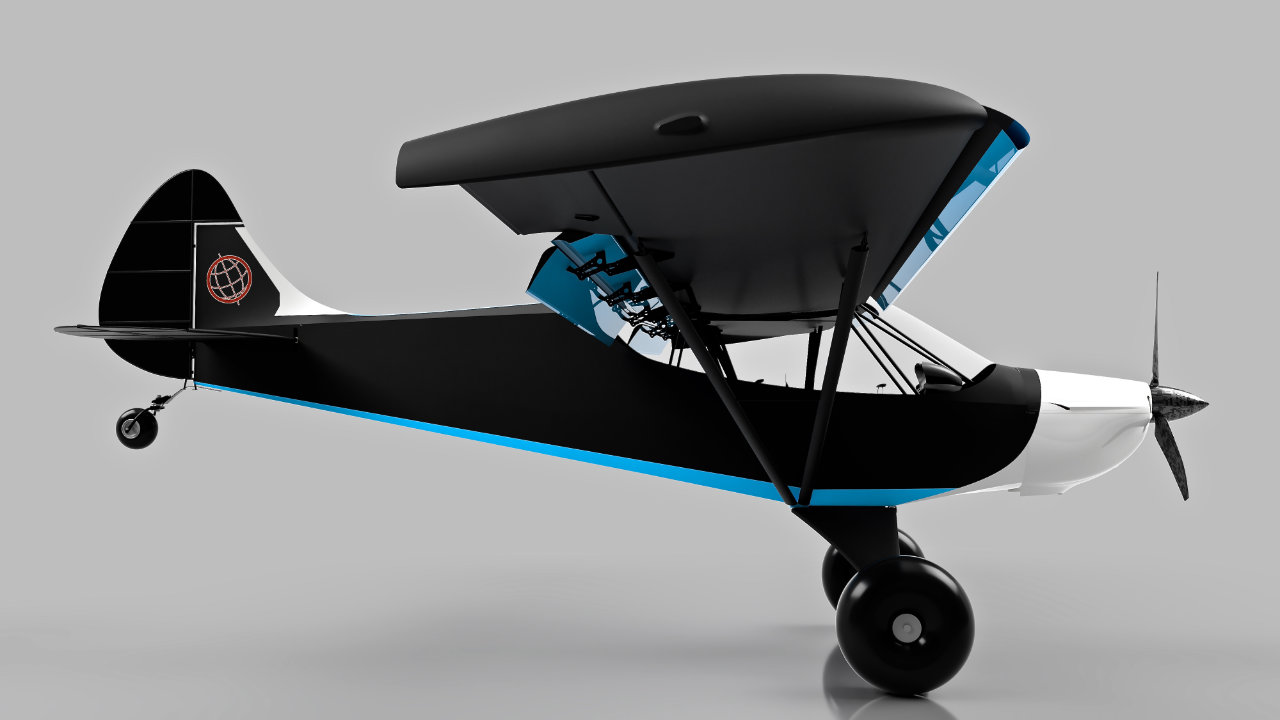
We began with the creation of a brand new larger and spacious fuselage (for the first time one of our aircrafts exceeds 23 ft in length) and with a new metallic wing, specifically designed to accommodate our technical needs. We intervened on the fuselage’s lateral belt line, now much more tapered and streamlined, on the vertical tail design, on the main windshield inclination, now much more defined and on the landing gear’s design, and finally proceed to build a completely new Engine Cowl.
We mixed, as best we could, the new wing taut lines and squared geometry, to the fuselage soft curves.
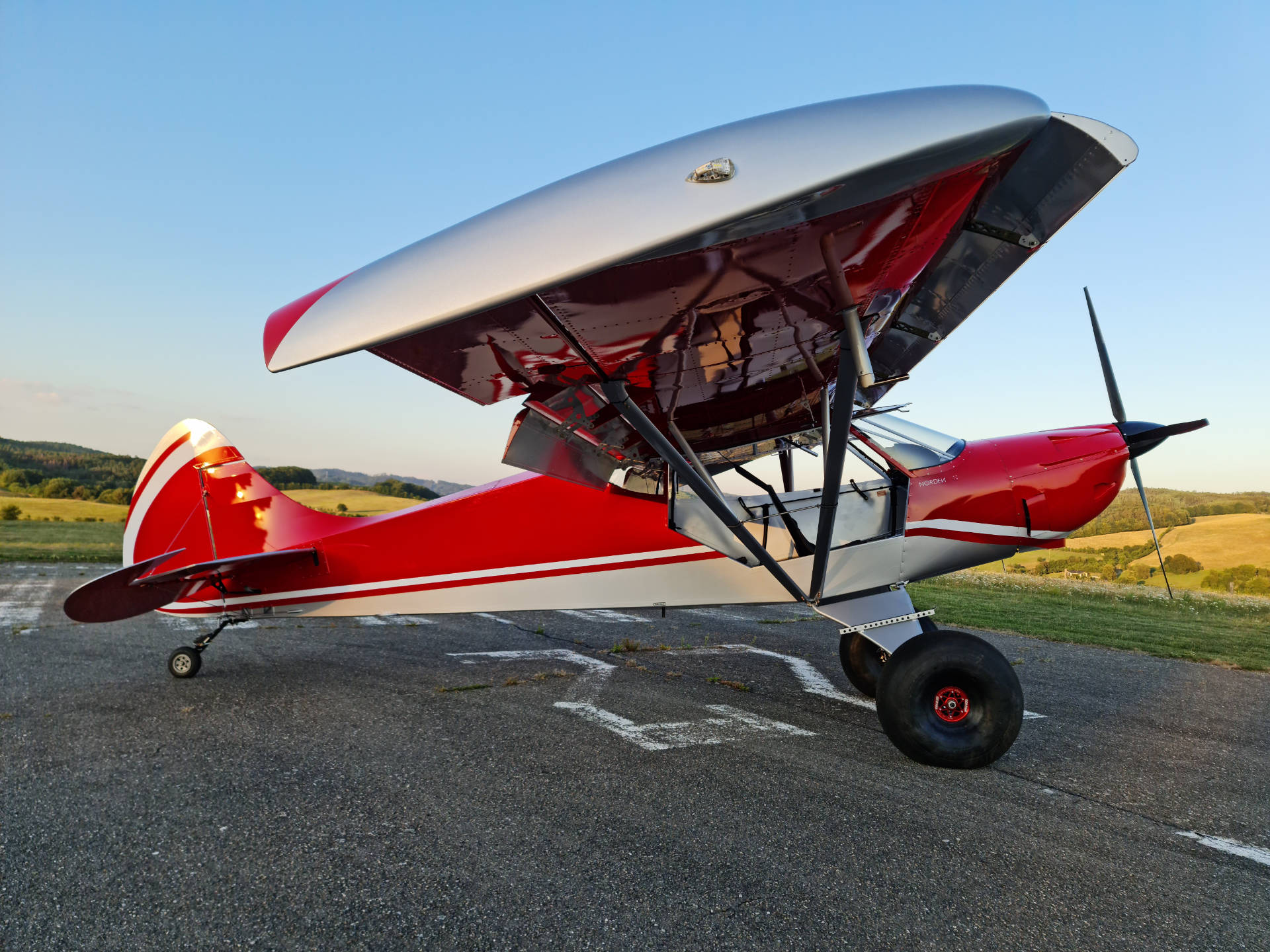
These attempts, coupled with the use of an attracting and singular wing tip design, gave the aircraft harmony and elegance in addition to a mix of the modern and old style, creating an impression of strength and dramatic presence at first glance.
The forward section of the fuselage, is influenced by the large size of its generously rounded bowl.
This design has proven to be quite advantageous, giving us the benefit of a larger firewall, which can accommodate more complex motorizations such as top of the line Engine Rotax 915iS/916iS.
Observing its soft curvatures and generous size, on board, the pilot has an immediate sense of spaciousness, thanks to the new cockpit noticeable size both in width and in height.
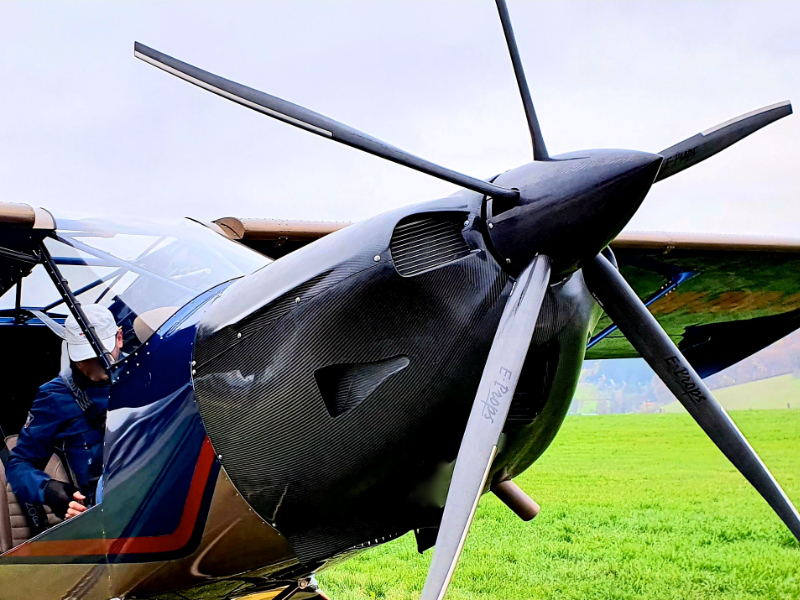
The new cowling is, no doubt, one of the essential parts of the new Norden exterior Design.
With its lateral gills (which can be opened in specific configurations to improve the engine cooling), placed along elegant longitudinal bulges and tapered front air intakes, it was designed to limit the aerodynamic drag while still providing adequate engine cooling, considering the relatively high cruising speed planned for this project.
A sense of lightness is achieved thanks to sinuous concavities, completing the vision that we planned to obtain.
The modern and sporty final result, undoubtedly comes to contrast with the aircraft classic nature, without failing to instill in the observer a strong impression of “high level performance potential”.
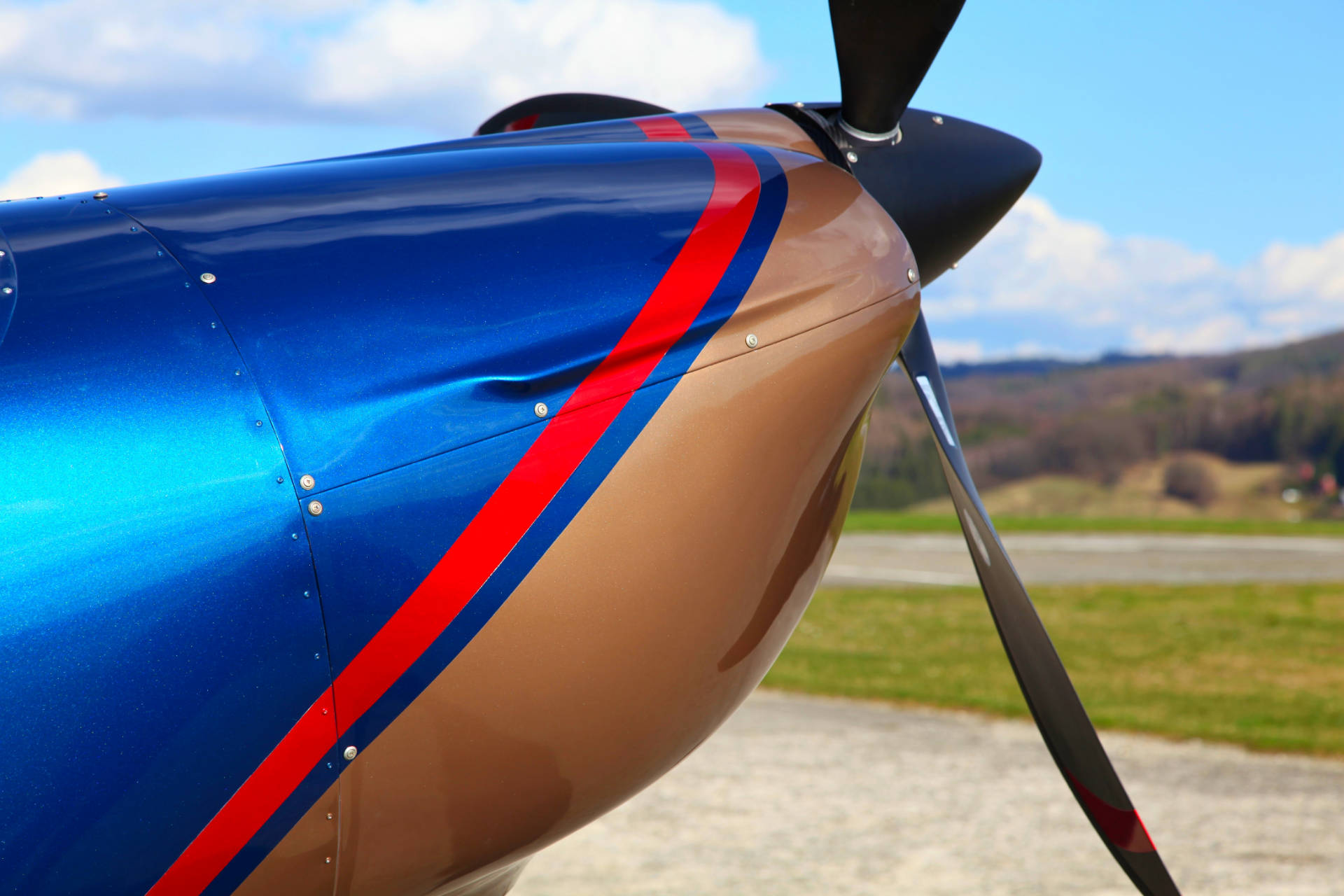
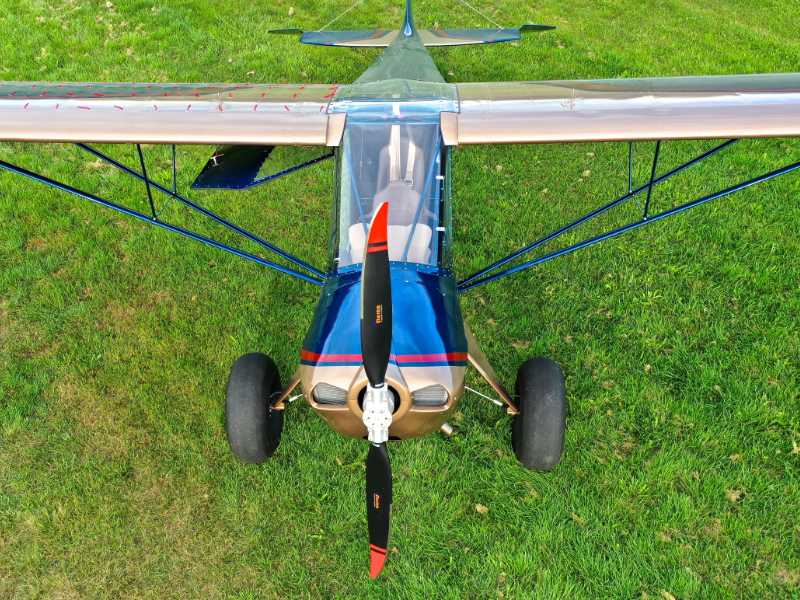
From every point of view, the Norden gives the observer a natural visual satisfaction, also thanks to specifically designed paint schemes which highlight the aircraft exterior shape, in addition to the noticeable height achieved through a standard reinforced and extended landing gear.
All of these elements, thoroughly combined, where considered by our Team as a fundamental focal point in our new “Fun to Fly” concept, that as previously mentioned, in our opinion, must begin by simply opening one’s hangar door.
Interior Design
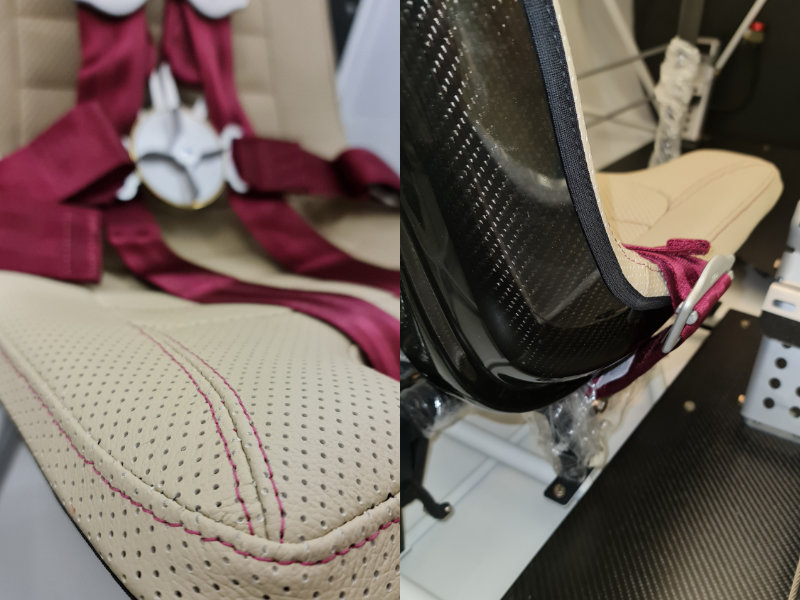
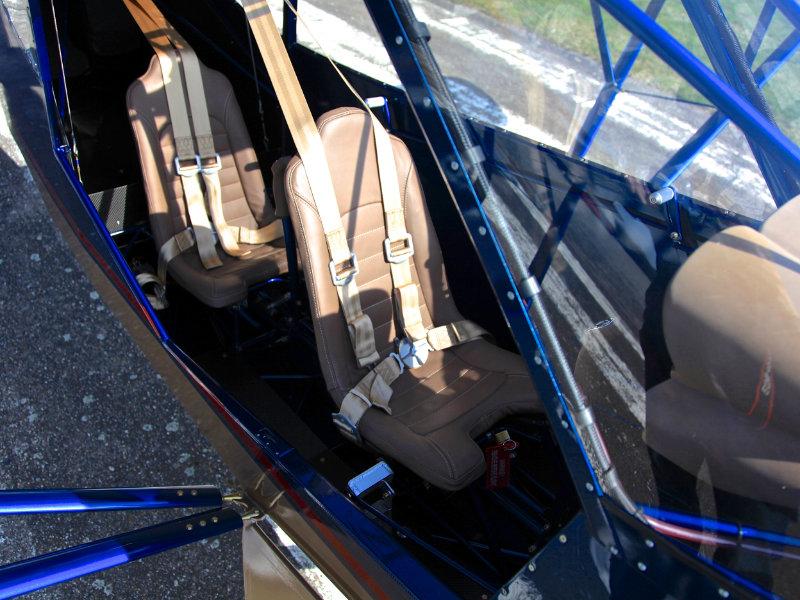
Also, the new, snug, glossy carbon seats, covered in perforated leather of the highest quality, will grab the attention of the observer with a sense of prestige, lightness and quality. More than 20 different colors of refined leather, dozens of different kinds of possible threads for the seams, added to 10 different options in color for the seatbelts, will contribute to satisfy any possible combination the client desires.
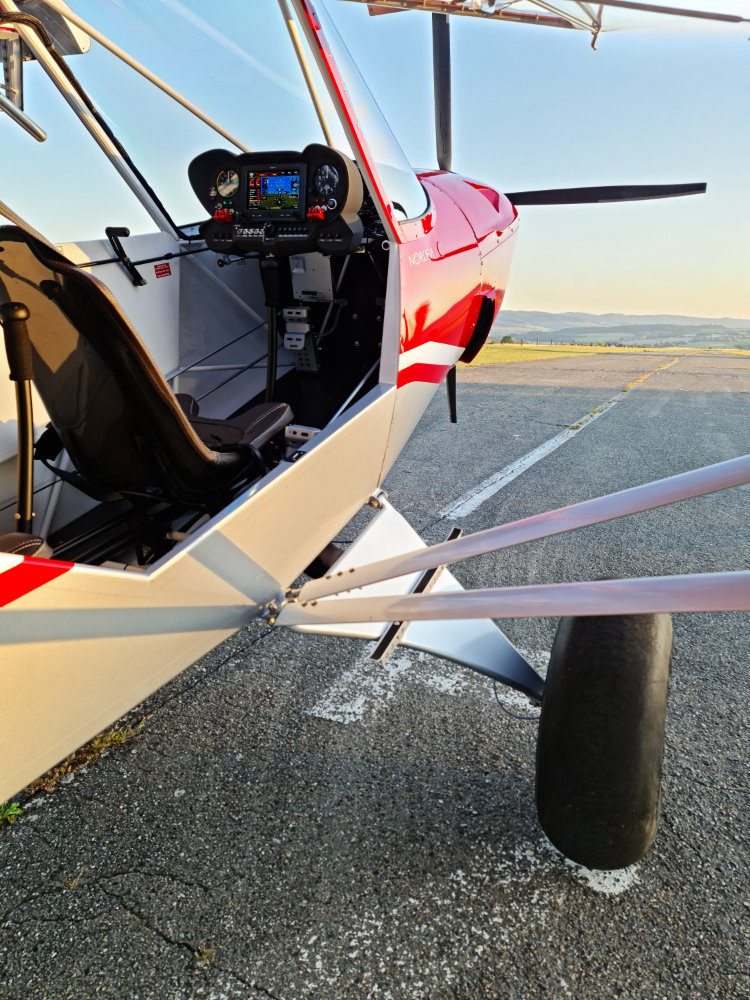
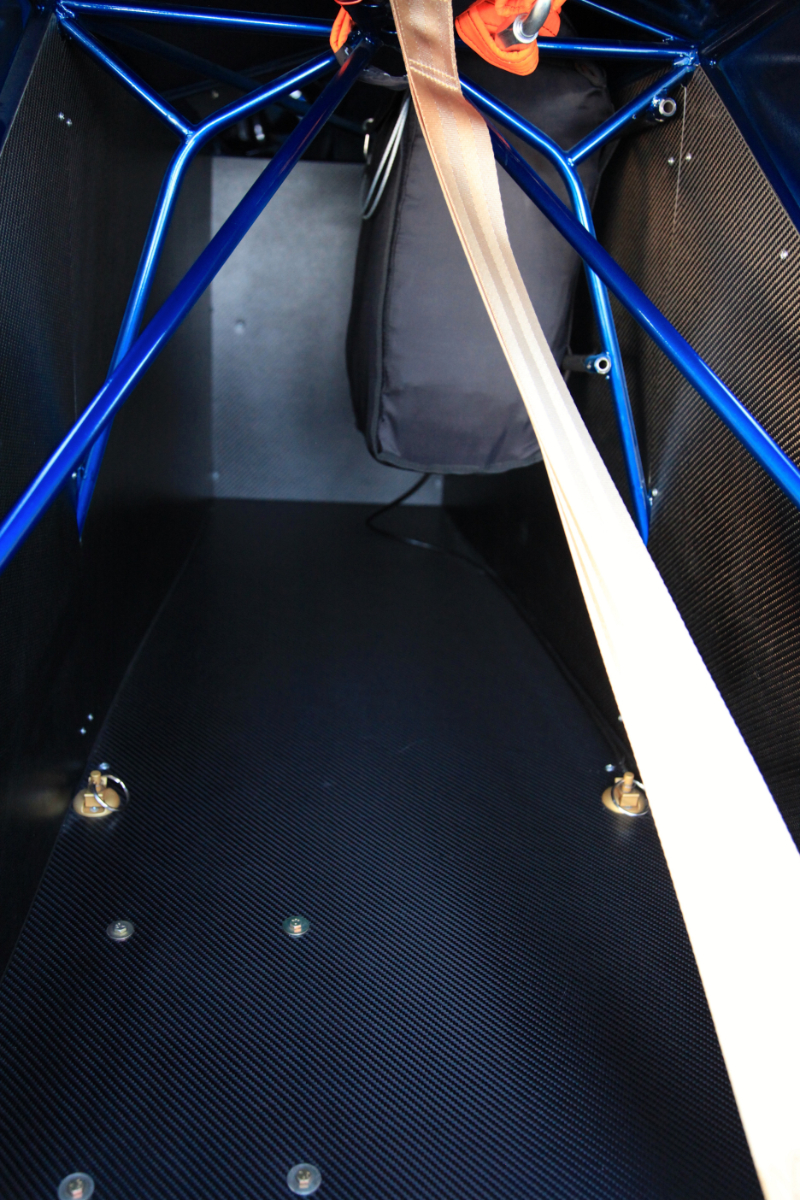
ergonomics
The cockpit ergonomics has received a complete revision.
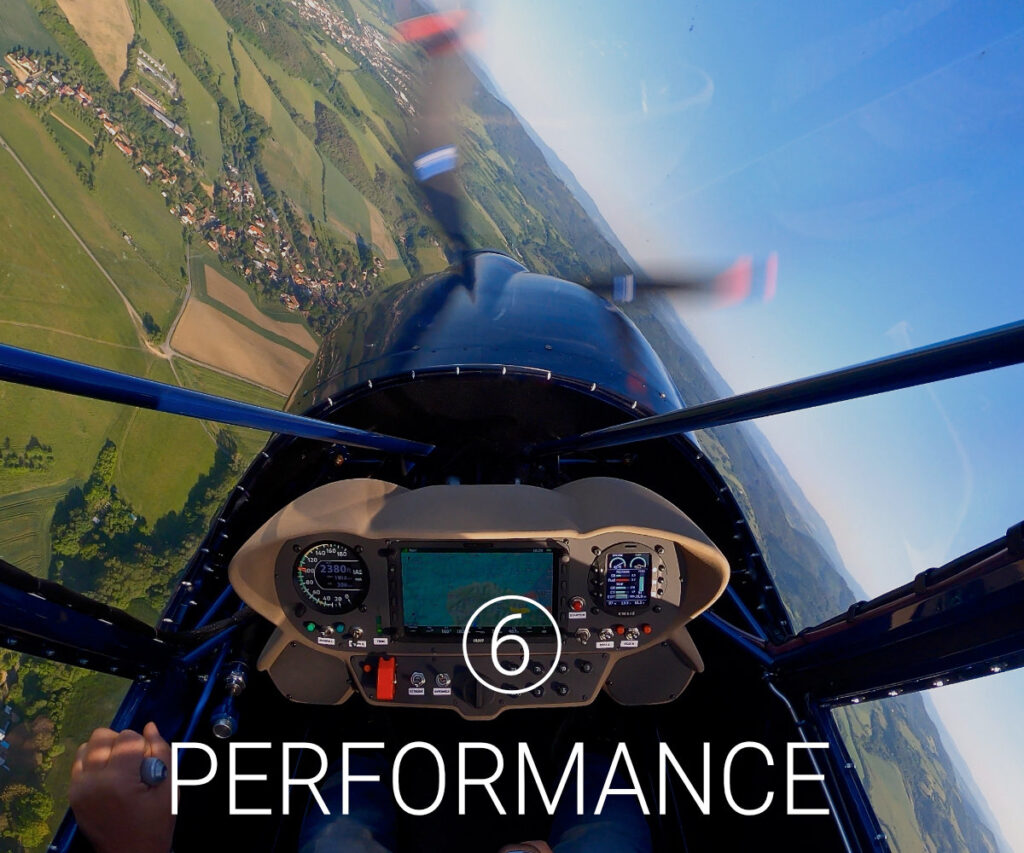
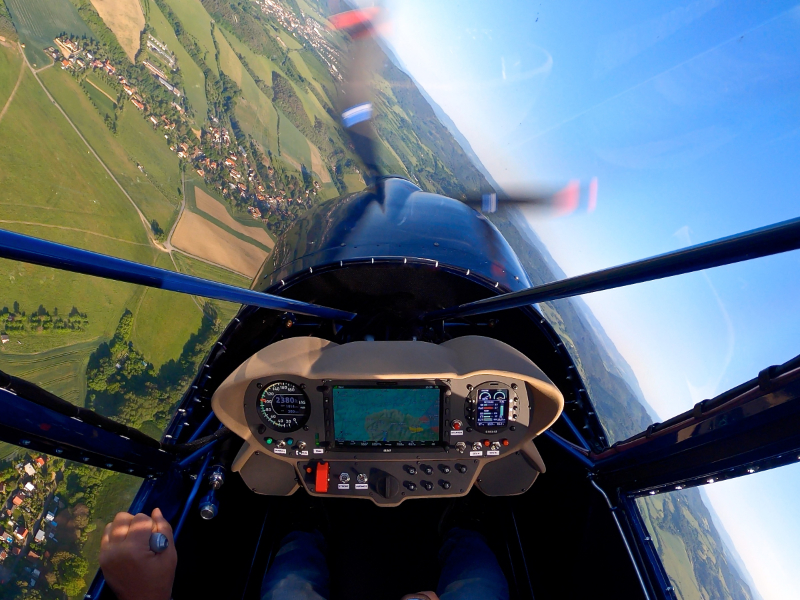
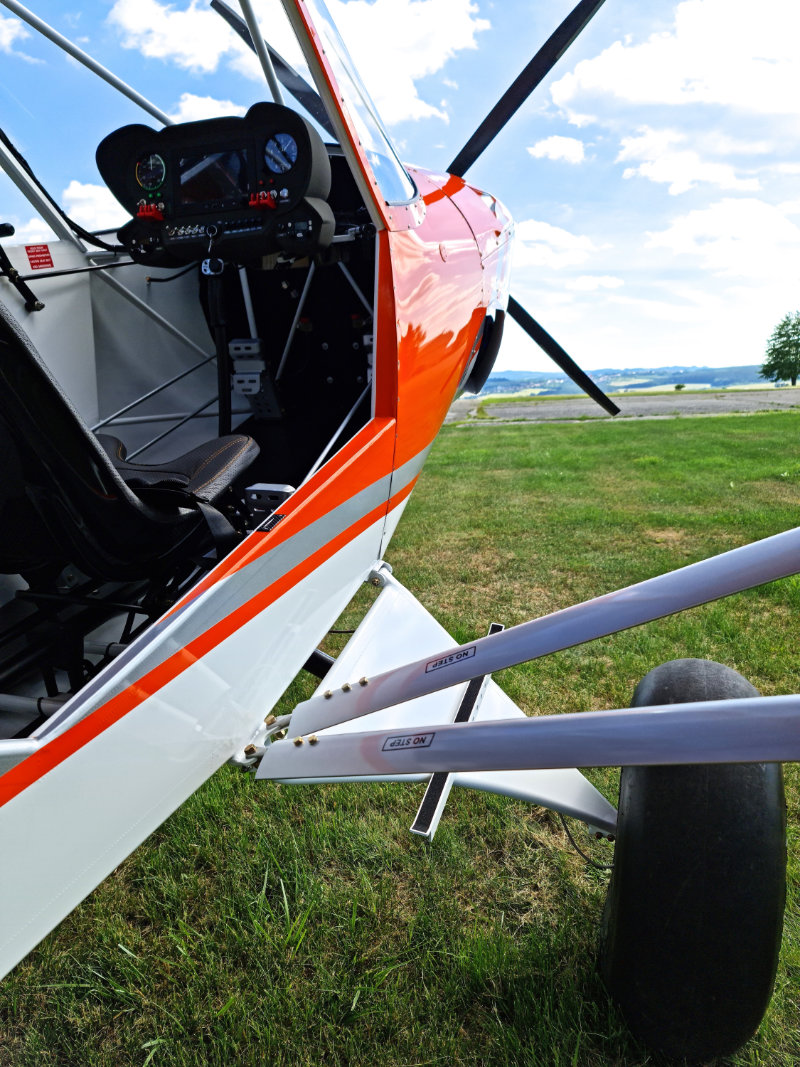
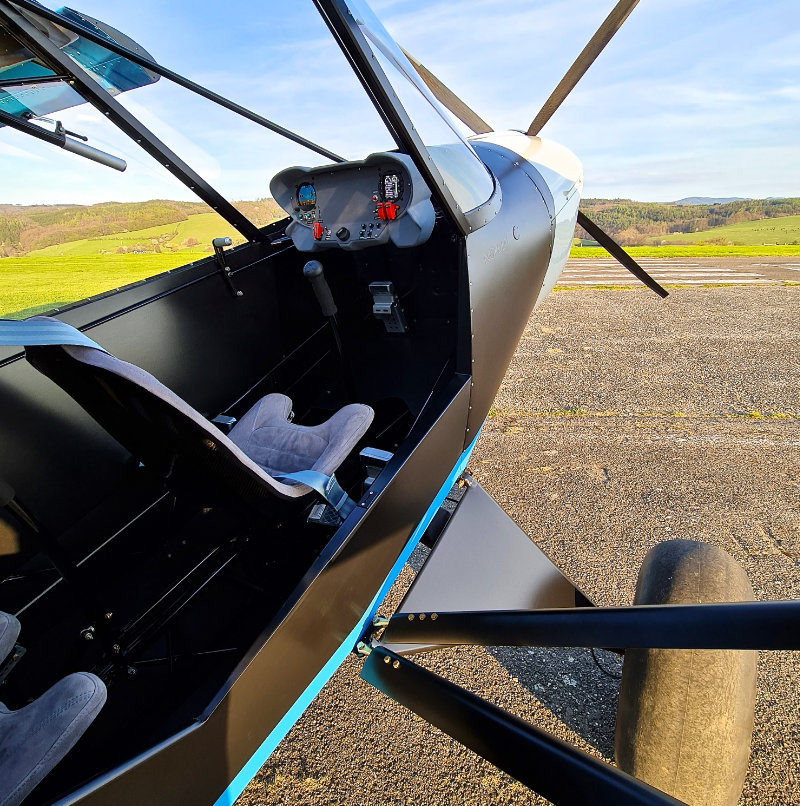
The minimalistic design in the instrument panel, as already described, thanks to shapes that strongly favor forward visibility and thanks also to the intentionally reduced amount of instrumentation installed, increases the aircraft confidence in all flight phases.
This allows the pilot to mostly focus on external vision, avoiding needless distractions that could be detrimental in the most delicate phases of bushflying and in ground proximity.
Innovation
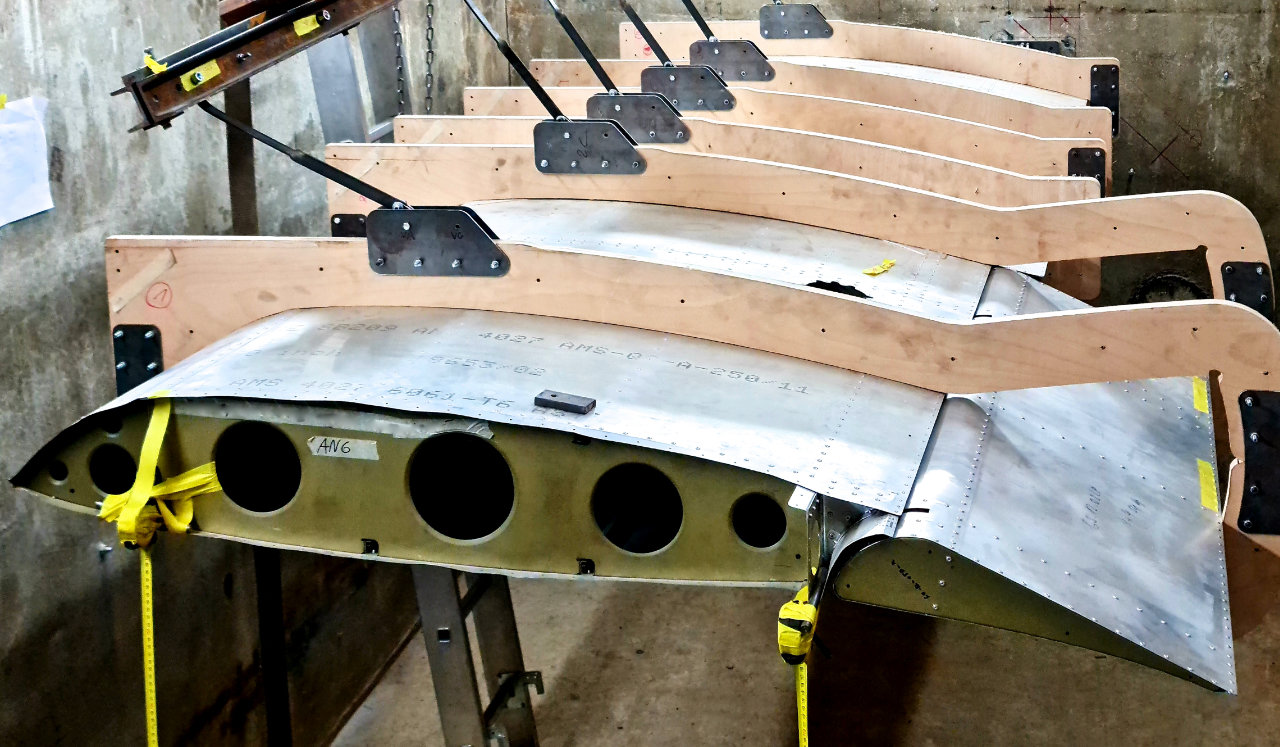
Advanced High Lift Devices
Wing’s camber:
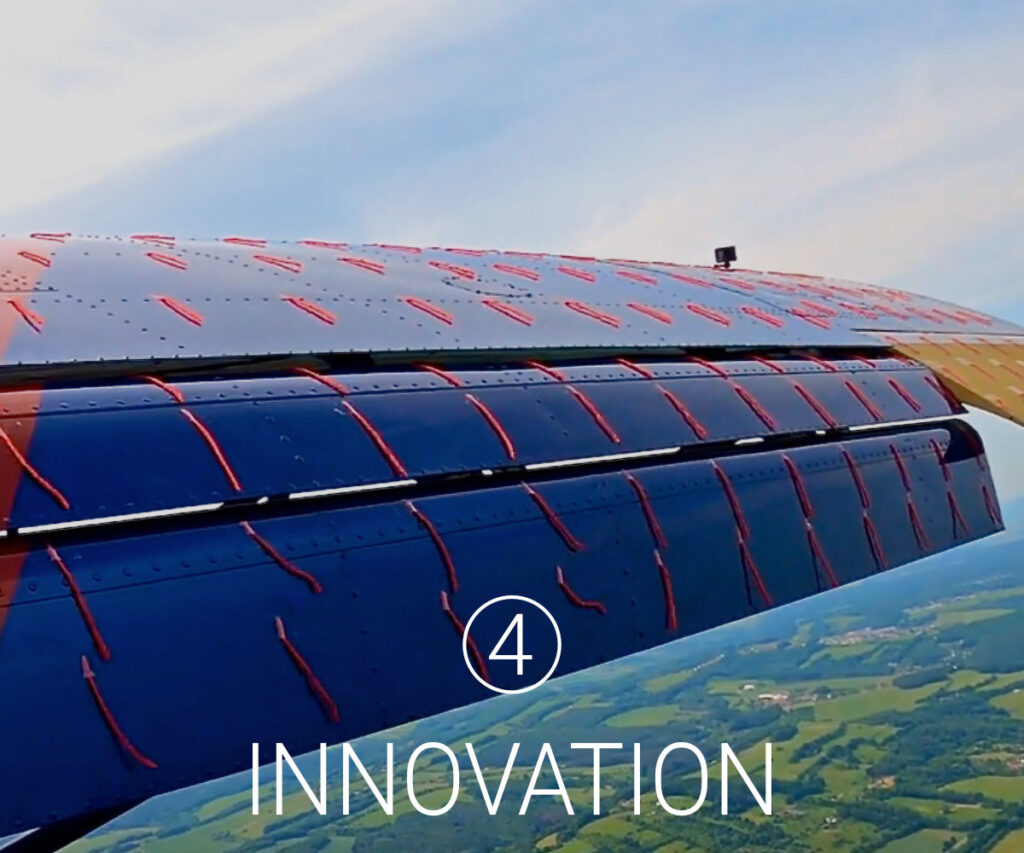
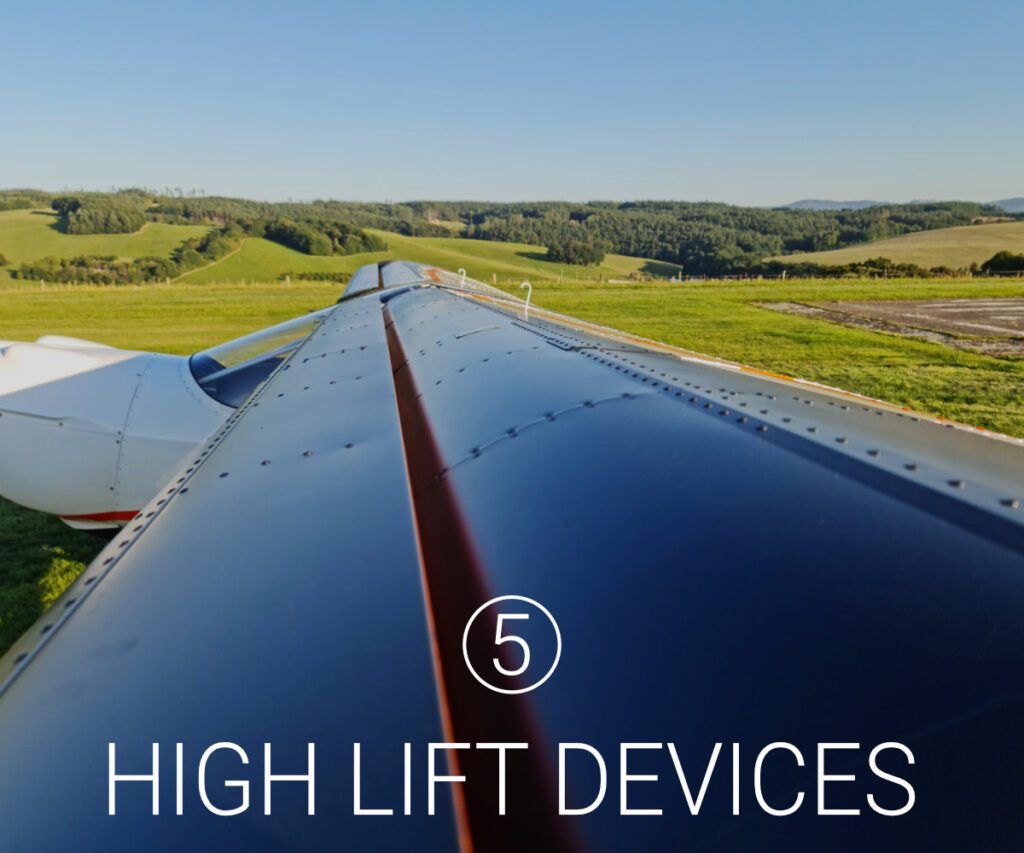
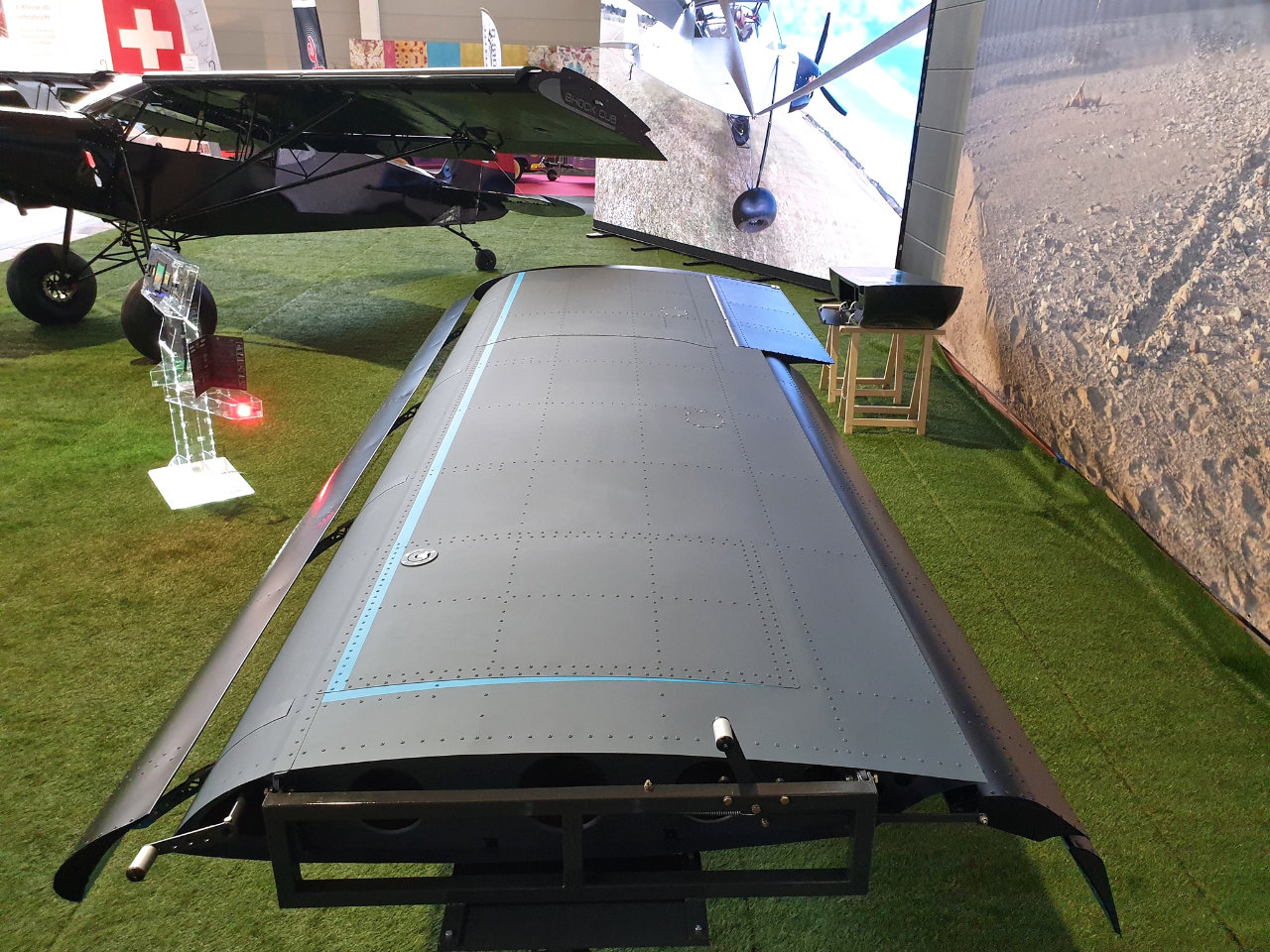
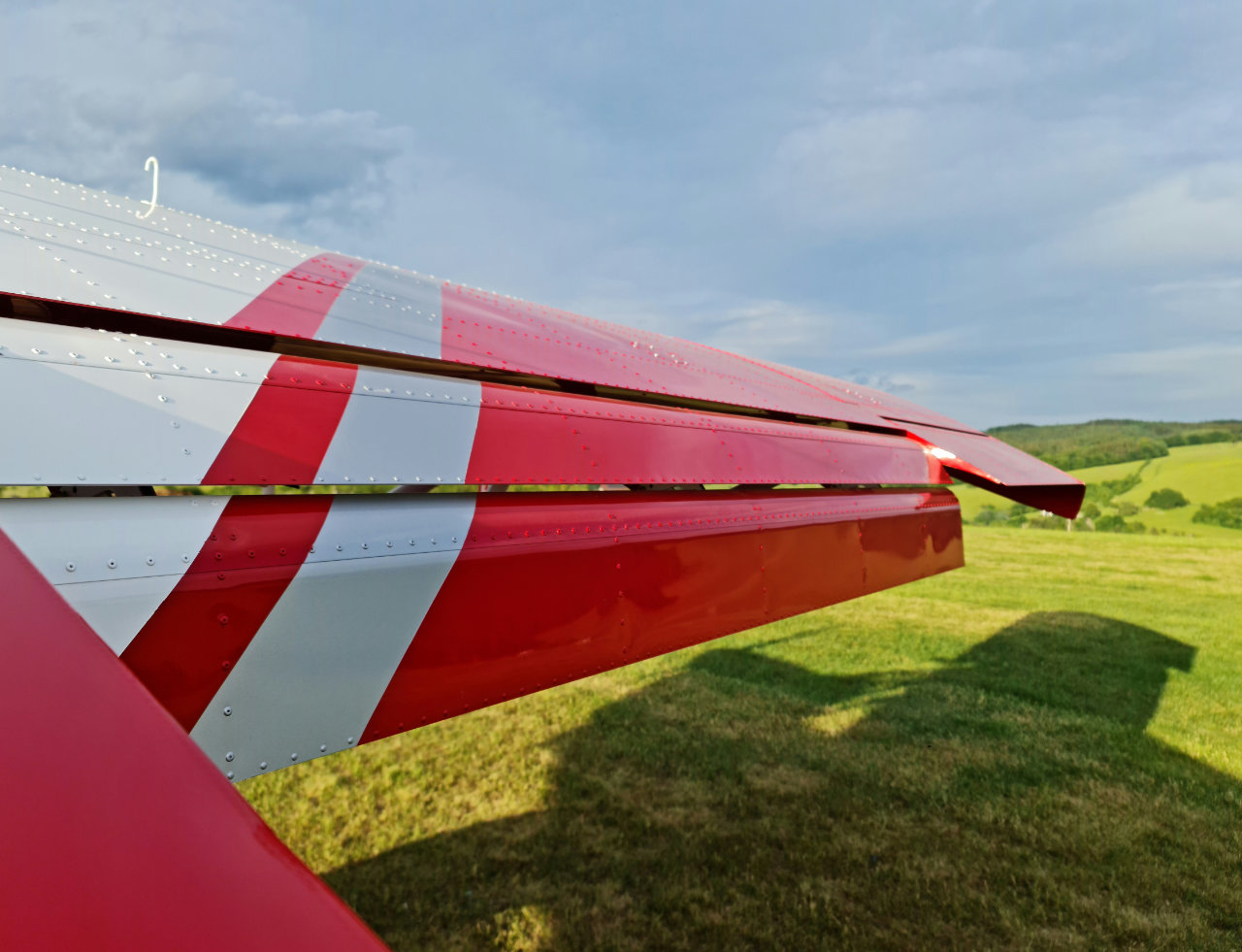
The main advantage of the Norden’s wing, is being capable of changing its camber drastically, with the intent of dramatically increasing the lift coefficient, when necessary, while still being able to have low drag at higher speeds, benefitting so from the new and modern airfoil we have decided to adopt. This characteristic is of course particularly welcome, when you are using smallest wing size, with the intent to reduce the aerodinamic drag and increase the top speed and pilot’s confort at higher cruise speeds.
Electric Retractable Slats
these slats are designed to offer a serious extension of the wing’s leading edge, that will change its geometry. This kind of modification produces not only a change in lift but also increases the drag. At lower speeds this extra drag is acceptable because the increase of the stall angle and lift is beneficial. But at higher speeds the increase of drag will, of course, reduce the cruise speed and affect the fuel consumption and climb performances. This is the reason why we designed a retractable slat system (operated by the pilot) to eliminate all the extra drag at higher speeds, with the slats fully interconnected, to avoid any kind of problems due to potential asymmetric deployment, always present in the automatic slat systems. But to get the best aerodynamic performances from slats, it’s important to take care not only of the right position relatively to the leading edge, but also of the shape and the size. Slat chord, cut-off, maximum thickness and angle of cut have been carefully designed. Slat gap, slat width and slat depth must follow precise geometric rules. We have an electric actuated circular movement to get the right position, when fully extracted. The final result is that the slatted wing will prevent the flow separation over the wing surface allowing to fly at higher angles of attack and lower flying speeds and providing important safety benefits at stall. In other words, this wing set up, will help the plane to land and take off at lower speeds, reducing the dependency on flaps for lift augmentation while maintaining a good lift over drag ratio (aerodynamic efficiency).
Double slotted flaps:
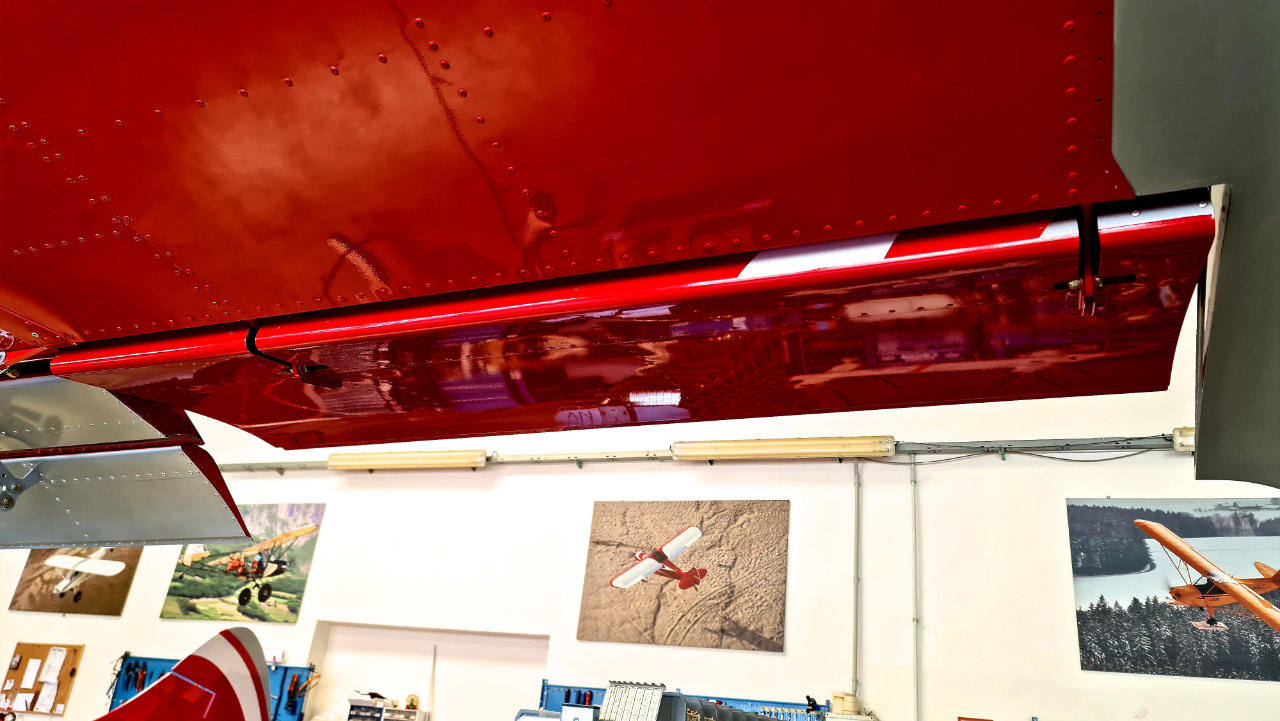
we introduced a large double slotted flap system, very efficient in increasing the lift at a defined angle of attack. The reason why double slotted flaps have been chosen was because we wanted to reduce the flow separation on the top of their surface, using a double gap allowing more air to leak through the two slots to the top surface, increasing the lift, allowing more efficiency and a stall speed reduction. With these flaps the pilot can fly at low speed with a reduced deck angle, with the extra benefit of increasing the forward visibility during the final approach. For example landing in the bush, at their max extension, the flaps can also be used as air brakes, increasing the drag and creating a steeper glide path during the final approach. They are manually actuated because, as every bush pilot well knows, this allows a special technique during the take-off, applying them quickly at lift-off speed to reduce the take-off distance, boosting the coefficient of lift (dynamic lift coefficient) of the wing. Our slats work perfectly in combination with these large flaps, obtaining the benefit in the increase of lift, while at the same time, delaying the stall by increasing the range of angle of attack.
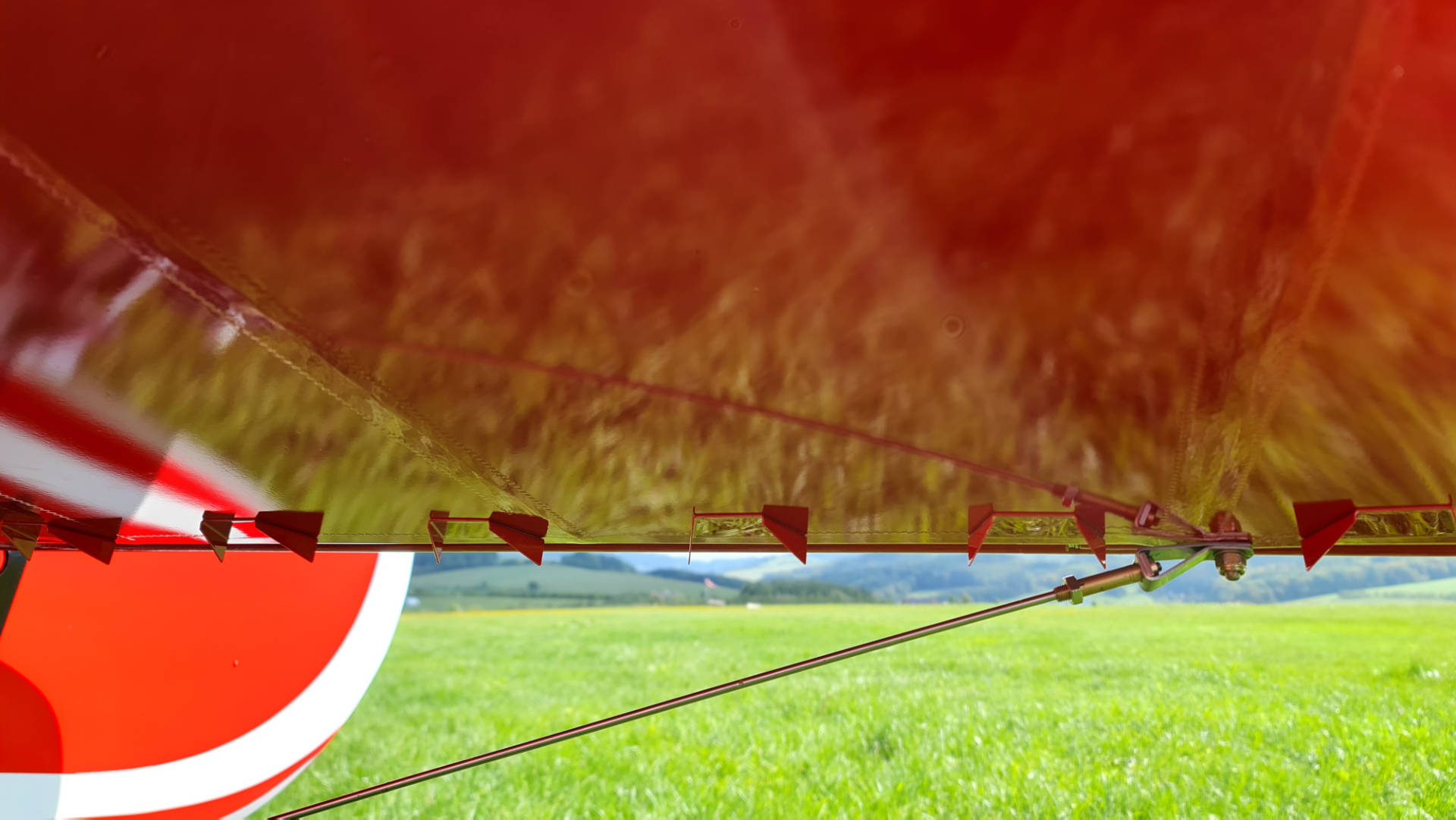
Vortex generators
In combination with the slats and flaps, the vortex generators at low speed and high angle of attack, help the airflow to remain attached to the airplane. As the name suggests, they create a vortex that will energize the boundary layer keeping the airflow attached, placed in the bottom of the stabilizer, they enhance the elevator control.
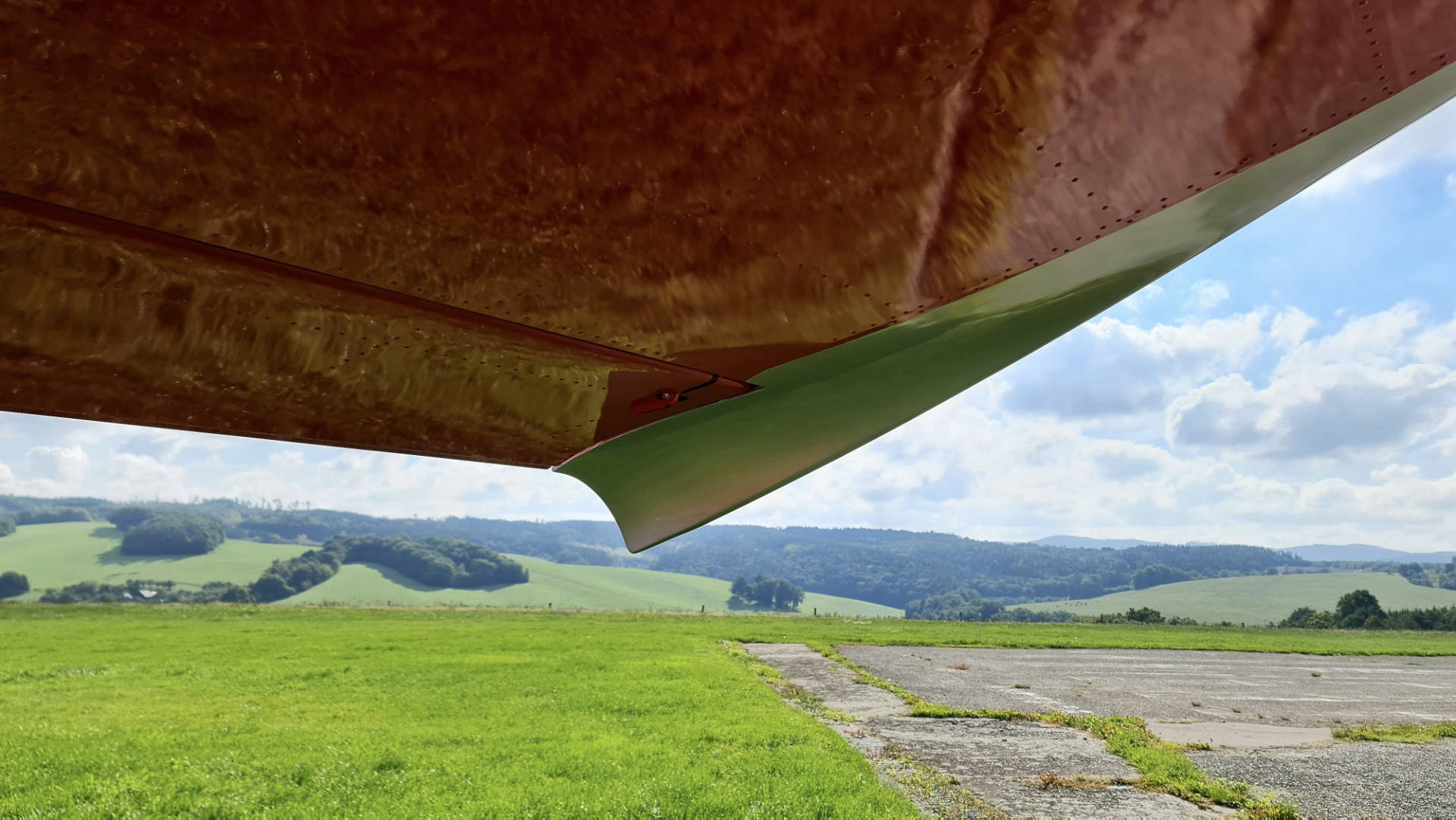
Wing tips
We introduced an drooped wing tip design that helps to increase the pressure on the bottom surface of the ailerons at high angle of attack and low speed, increasing the aileron efficiency and improving pilot control. Also, the s-shape of the bottom of the airfoil contributes to increase this pressure on the ailerons delivering a very nice control based on the stick input. These wing tips also help to reduce the drag at higher speeds. In combination with all the above other functionalities of this new wing design, they definitively allow to get the best from an aerodinamic point of view, both at low and high speeds.
Performance & Safety
Since the very beginning, one of the basic principles in this new project, has been the intention to gather in one single aircraft, all the desirable flying characteristics, a modern bush pilot could wish in our vision, therefore we asked ourselves innumerable questions (look at them down below the video) and the attempt to condense all of these questions, in a concrete product, accessible to all our pilots, has proven to be a long and exciting challenge.
Here are just some of these questions:
- Is the ability of flying at a low speed, but at the same time with a low deck angle, improving the forward visibility (with our new and special designed instrument panel), important during bushflying operations?
- How desirable is it for our pilots and clients, to be able to make a short take off, have a reasonable low stall speed even with a full load and have the ability to also have short landings, in addition to a quite fast cruise speed?
- What type of added safety is guaranteed to the pilot, with the use of our unique electrical slats, interconnected in a way that always allows them to operate symmetrically, in any weather conditions, especially near the ground, in turbulence and at low speed?
- Is it important to lower the workload on the pilot’s behalf, because of the aircraft’s trimming in the transition from full clean wing to full flap and slats wing?
- How desirable is the possibility of making “high rate turns” at low speed, or to have a “tight turn radius” thanks to the slat (in other words a strong agility of the plane), while flying for example near mountains or obstacles or during some bushflying operations?
- Is the sense of safety, clearly perceived at low speed and altitude, due to the significant modifications to our new wing’s camber (unprecedented in the field, with electric slats and large double slotted flaps) a determinant factor with this type of aircrafts?
- How much will the possibility to rapidly gain speed (although a bush plane surely isn’t considered an aerodynamically clean machine), converting such energy in a consequent gain in altitude, impact the flight’s safety?
- How fundamental to the flights general economy, is the possibility to maintain high climbing rates and also wide speed range, while simultaneously allowing to reach altitude and long distances, keeping an optimal engine temperature?
- How useful is it to a mountain pilot, to be able to maintain a constant rated power up to 15,000 ft and a ceiling of 23,000 ft with a Rotax 915iS (141 hp)?
- How important is the ability of flying at high cruising speed, in full comfort and inside the green arc, even in turbulence, in a bush plane equipped with bushwheel tires, considering that currently the desirable value recognized by the users in this field, is at 100mph?
- How much would the ability to install increased power (for example the Rotax 916iS) and constant speed propellers, increase the levels already given by the Rotax 915iS, further extending its performance?
- In case of needs, is the maximum reachable speed a desirable factor or not, if you are in a hurry for any reason?
- What are the ideal informations from the instrument panel to the pilot, to avoid needless distractions at low altitude, during bushflying operations?
- How much do the loading capability, the cabin confort and the general ergonomics inside the cockpit, impact the final user’s evaluation of the aircraft’s performances?
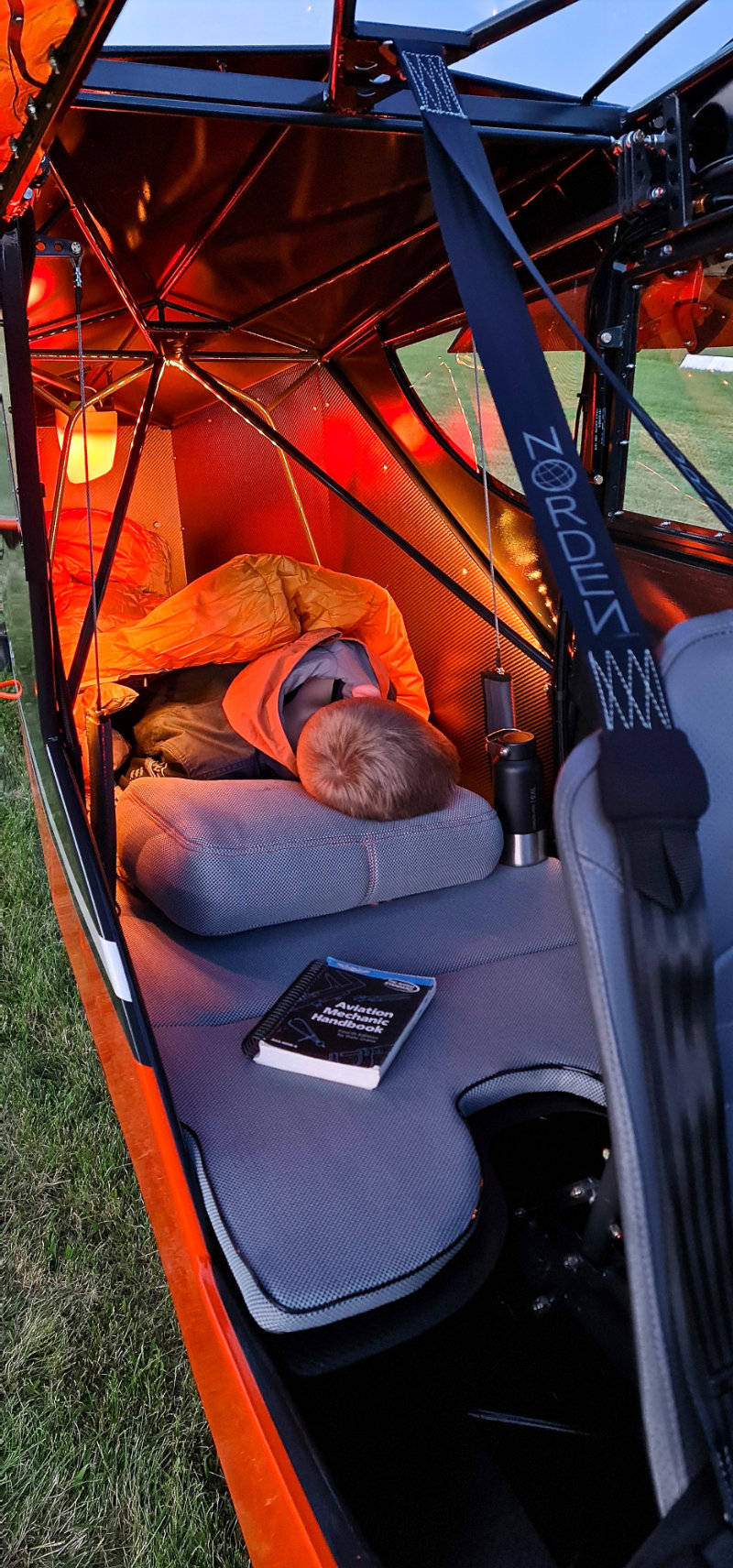
- Is being able to comfortably spend the night in his own airplane “a long way from home”, without the need to refuel (thanks to the new up to 48 gallon tanks, plus 2.5 extra gallons in the header tank) an important factor for a modern bush pilot?
- How important is the aircrafts average consumption and its extended range, during long-distance trips?
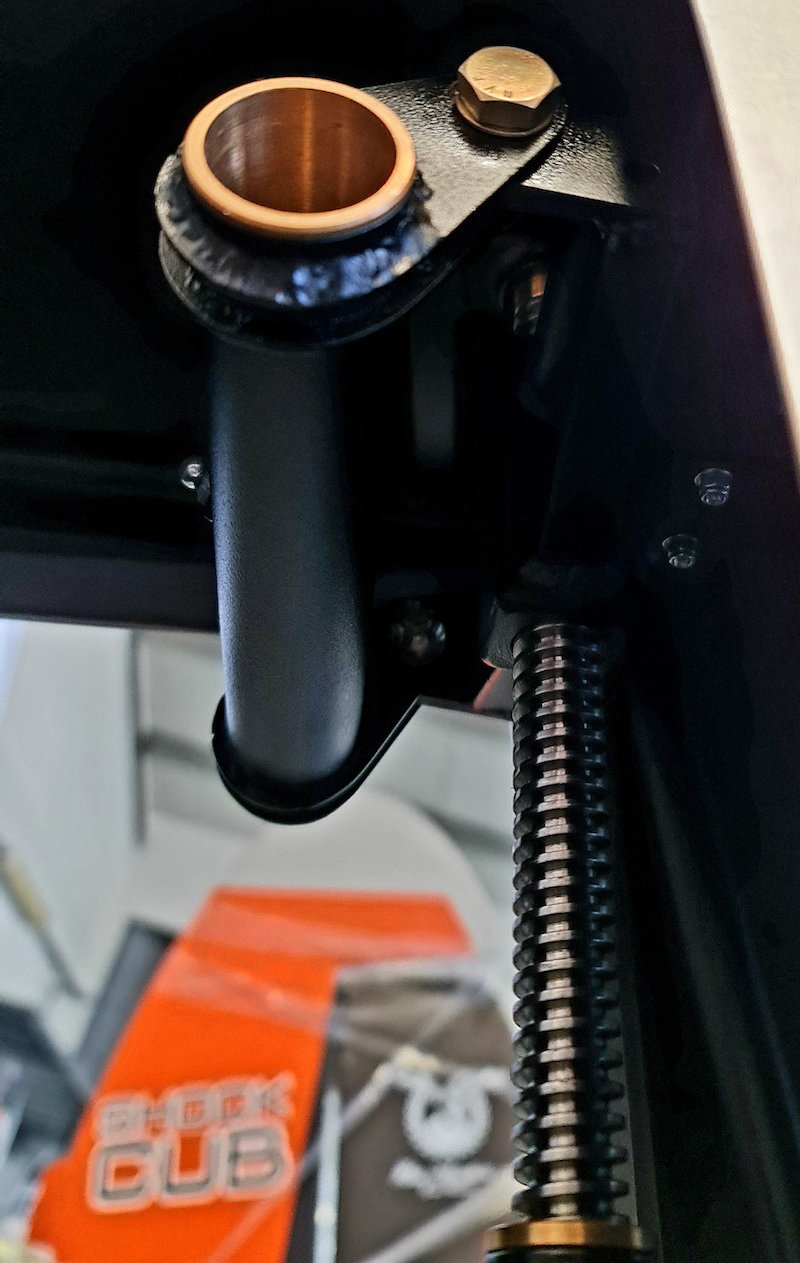
- Can the aircrafts ability of landing off-airport, a characteristic that is emphasized by our new landing gear equipped with shock absorbers, be crucial in case of an emergency landing in impervious areas, such as, for example, in the case of an engine failure?
- How much can the safety, given by the aircraft well proven and solid structure (we’ve tested it so far up +8.4g at 1,320 lbs without any residual deformation of the wing structure), not forgetting the ability of installing an emergency parachute, count in our pilot’s mind for example while flying over impervious areas?
As a whole, the Norden’s marked robustness, combined with its high VNE and flight controls remarkable authority at a low speed, give the aircraft maneuverability qualities unencountered in airplanes of the same category.
The high cruising speed and the extended range, allow for expanded new scenarios for this aircraft. In the typical configuration most commonly adopted by our clients, i.e. in single pilot, not overloaded with too many accessories and with a 160 hp Rotax 916iS equipped aircraft, the Norden can take off in 60 ft, with a constant 1,800 ft/m rate of climb and a 126 mph cruising speed with 22” tires and in standard atmosphere. 150mph true airspeed is achievable above 10,000 ft.